

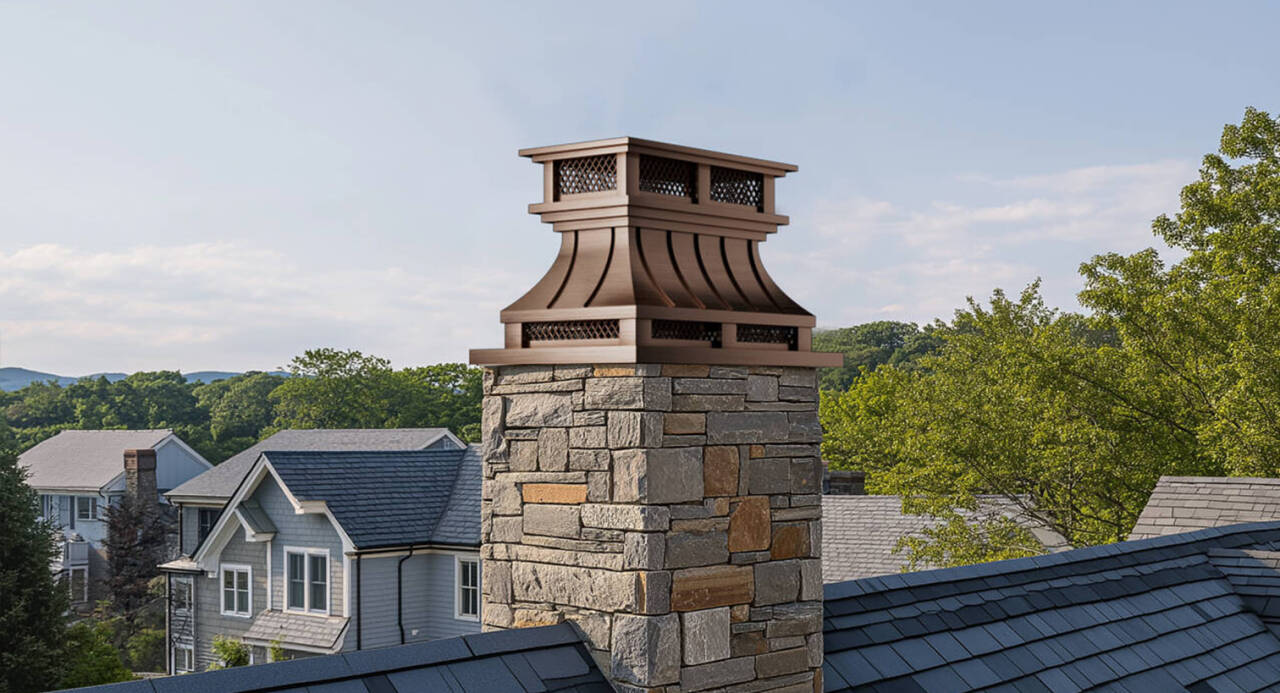
For generations, chimneys have been the heart of American homes.Warming living rooms on cold New England winters, powering backyard cookouts in Texas, and even adding charm to historic cottages in the South. But what’s the unsung hero that keeps these chimneys working their best? The answer is the chimney cap. From colonial cabins to modern suburban houses, this small but mighty accessory has evolved dramatically. Let’s dive into its history, why today’s homeowners swear by it.

1. Colonial Roots: How Early American Settlers Invented the First Chimney Cap
Long before sleek stainless steel cap for chimney existed, 17th-century American settlers faced a big problem: their log cabin chimneys were open at the top. Rain poured in, rotting wooden chimney liners. Birds built nests inside, blocking smoke and causing fire risks. Even small animals like squirrels would crawl down, turning chimneys into unexpected “pet doors.”
To fix this, settlers crafted the first chimney cap from whatever materials they had like wood or cast iron. These simple, flat lids sat on top of chimneys, with small holes to let smoke escape while keeping rain and critters out. They weren’t pretty, but they worked. By the 1800s, as brick chimneys became common in Victorian homes, blacksmiths started making more durable iron chimney rain cap designs.Some even decorated with straps and rivets to match the era’s fancy architecture. This was the start of the chimney cap as both a functional tool and a small decorative touch.

2. Mid-20th Century: The Rise of the “Chimney Chase Cap” for Modern Homes
After World War II, American suburbs boomed quickly. Builders started constructing homes with “chimney chases” ,wooden or masonry structures that surround and protect chimney liners. These chases needed a special type of cap: the chimney chase cap. Unlike traditional caps, chimney chase cap designs cover the entire top of the chase, not just the chimney opening. They’re wider, sturdier, and built to shield the chase itself from rain, snow, and wind.
At first, most chimney chase cap were made of painted aluminum or basic steel. But homeowners quickly noticed a flaw: these materials rusted or faded after a few years, especially in harsh climates. By the 1970s, manufacturers introduced stainless steel chimney cover and stainless chimney cap models. Stainless steel was a game-changer because it resisted rust, didn’t need repainting, and held up to extreme weather. Suddenly, the chimney cap went from a “nice-to-have” to a “must-have” for suburban families.

3. Today’s Trends: Why Homeowners Choose Stainless Steel Chimney Cap or Copper Chimney Caps
Nowadays, the chimney cap is not only functional, but also it’s a style statement and a long-term investment. Here’s why modern American homeowners are ditching the custom caps for premium options like stainless steel chimney cap or copper chimney caps:
Stainless Steel: The “Low-Maintenance Hero”: A stainless steel chimney cap is perfect for busy homeowners. It doesn’t rust, even in coastal areas. It’s easy to clean: just wipe it down with a damp cloth once a year. And it matches almost any home exterior, from brick to vinyl siding. Popular styles include the stainless steel chimney cover and the compact stainless steel cap for chimney which are great for traditional chimneys. With a custom stainless steel chimney cap, your home not only stands out, but also gains an added touch of luxury and lasting value.

Copper: The “Timeless Luxury Pick”: For homeowners who want their chimney to stand out, copper chimney caps are a top choice. Copper ages beautifully,over time, it develops a rich, greenish patina that looks stunning on historic homes or modern farmhouses. It’s also super durable and naturally resists bacteria and mold. In states like Massachusetts or Virginia, where historic home preservation is a priority, copper chimney caps are often the go-to for keeping chimneys authentic and functional.

Smart Add-Ons: Today’s chimney cap designs also include handy features. Some stainless steel chimney cap models have built-in spark guards or screens to keep even tiny pests out. Others have wind deflectors, which help smoke escape better on windy days.
4. Why Every American Home Needs a Chimney Cap
You might think, “I only use my fireplace once a year—do I really need a chimney cap?” The answer is yes. Here’s why:
Prevent Water Damage: A chimney rain cap keeps rain out of your chimney. Without it, water can seep into your home’s walls, causing mold, rot, or even foundation issues. Fixing that can cost $10,000 more than a $2000 stainless steel chimney cap.
Keep Critters Out: Birds, squirrels, raccoons, and even bees love nesting in chimneys. A chimney cover blocks them, so you don’t have to call an exterminator to remove a family of raccoons.
Boost Energy Efficiency: An open chimney acts like a “hole” in your roof—warm air escapes in winter, and cool air leaks out in summer. A chimney cap helps seal that gap, lowering your heating and cooling bills. For families in states with high energy costs like California or New York, this adds up fast.
Final Thoughts: The Chimney Cap—A Small Accessory with a Big History
From colonial log cabins to modern McMansions, the chimney cap has come a long way. What started as a simple wooden lid is now a high-tech, stylish essential.Whether you choose a tough stainless steel chimney cover or a elegant copper chimney cap. It protects your home, saves you money, and keeps your chimney working safely for years.
If you don’t have a chimney cap yet, this is your sign to get one. Your roof will thank you!


